Download our Turf & Amenity Brochure → Ag & Hort Brochure →

Sulphur (S)

Sulphur (S)
Overview
Sulphur (S) is not often thought of when it comes to nutrients, however it still plays an important role in the health and development of the grass plant. Sulphur makes up a large part of amino acids, the building blocks of proteins. It is also essential for chlorophyll and the use of nitrogen.
What is the benefit of sulphur to turf grass?
- Is a part of chlorophyll formation, making it essential for photosynthesis.
- Vital component of amino acids, proteins, enzymes, and vitamins.
- These enzymes perform a variety of functions, contributing towards plant resilience and stress tolerance.
How do you know if your turf needs more sulphur?
Sulphur deficiency is more common now as it used to be supplied from the air in the form of acid rain. Since the air is much cleaner, the soil does not have this same supply of sulphur.
- The grass plant may be yellow in appearance.
- Growth may be stunted and the plant weaker.
- High pH soils can reduce the plant availability of sulphur.
Sulphur leaches from the soil quite easily, it is therefore common to see sulphur deficiency on sand rootzones that are free draining.
What problems occur if too much sulphur is applied to the turf?
The primary issue with too much sulphur in the soil is the acidity. It has a low pH and when applied in high quantities it can reduce the pH of the soil, leading to other major nutrients being unavailable for plant uptake.
High levels of sulphur in the soil can be a sign of black layer and anaerobic conditions, hydrogen sulphide can be released under there conditions. This is toxic to the grass plant.
Selecting a sulphur product
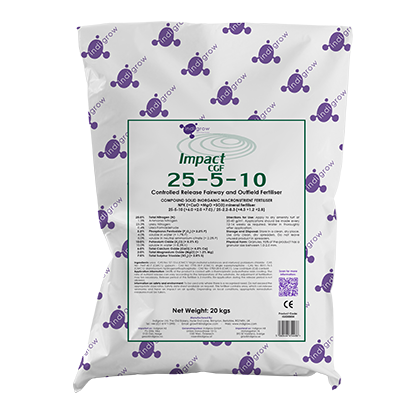
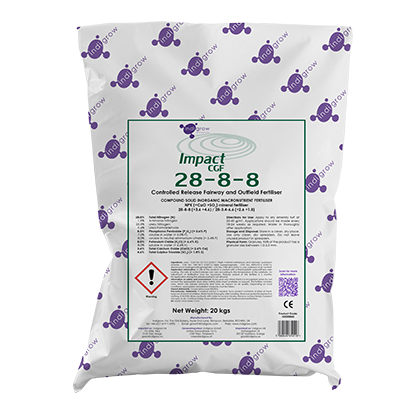
Sulphur is present in many granular fertilisers, based on results from soil testing you should be aware of your current levels of S. Apply only if required. Sulphur has commonly been used to lower the pH of soil; this should be done carefully relative to the preferred pH of the turf species you are managing.
Overview
Sulphur (S) is not often thought of when it comes to nutrients, however it still plays an important role in the health and development of the grass plant. Sulphur makes up a large part of amino acids, the building blocks of proteins. It is also essential for chlorophyll and the use of nitrogen.
What is the benefit of sulphur to turf grass?
- Is a part of chlorophyll formation, making it essential for photosynthesis.
- Vital component of amino acids, proteins, enzymes, and vitamins.
- These enzymes perform a variety of functions, contributing towards plant resilience and stress tolerance.
How do you know if your turf needs more sulphur?
Sulphur deficiency is more common now as it used to be supplied from the air in the form of acid rain. Since the air is much cleaner, the soil does not have this same supply of sulphur.
- The grass plant may be yellow in appearance.
- Growth may be stunted and the plant weaker.
- High pH soils can reduce the plant availability of sulphur.
Sulphur leaches from the soil quite easily, it is therefore common to see sulphur deficiency on sand rootzones that are free draining.
What problems occur if too much sulphur is applied to the turf?
The primary issue with too much sulphur in the soil is the acidity. It has a low pH and when applied in high quantities it can reduce the pH of the soil, leading to other major nutrients being unavailable for plant uptake.
High levels of sulphur in the soil can be a sign of black layer and anaerobic conditions, hydrogen sulphide can be released under there conditions. This is toxic to the grass plant.
Selecting a sulphur product
Sulphur is present in many granular fertilisers, based on results from soil testing you should be aware of your current levels of S. Apply only if required. Sulphur has commonly been used to lower the pH of soil; this should be done carefully relative to the preferred pH of the turf species you are managing.
Sulphur (S)
Overview
Sulphur (S) is not often thought of when it comes to nutrients, however it still plays an important role in the health and development of the grass plant. Sulphur makes up a large part of amino acids, the building blocks of proteins. It is also essential for chlorophyll and the use of nitrogen.
What is the benefit of sulphur to turf grass?
- Is a part of chlorophyll formation, making it essential for photosynthesis.
- Vital component of amino acids, proteins, enzymes, and vitamins.
- These enzymes perform a variety of functions, contributing towards plant resilience and stress tolerance.
How do you know if your turf needs more sulphur?
Sulphur deficiency is more common now as it used to be supplied from the air in the form of acid rain. Since the air is much cleaner, the soil does not have this same supply of sulphur.
- The grass plant may be yellow in appearance.
- Growth may be stunted and the plant weaker.
- High pH soils can reduce the plant availability of sulphur.
Sulphur leaches from the soil quite easily, it is therefore common to see sulphur deficiency on sand rootzones that are free draining.
What problems occur if too much sulphur is applied to the turf?
The primary issue with too much sulphur in the soil is the acidity. It has a low pH and when applied in high quantities it can reduce the pH of the soil, leading to other major nutrients being unavailable for plant uptake.
High levels of sulphur in the soil can be a sign of black layer and anaerobic conditions, hydrogen sulphide can be released under there conditions. This is toxic to the grass plant.
Selecting a sulphur product
Sulphur is present in many granular fertilisers, based on results from soil testing you should be aware of your current levels of S. Apply only if required. Sulphur has commonly been used to lower the pH of soil; this should be done carefully relative to the preferred pH of the turf species you are managing.
Overview
Sulphur (S) is not often thought of when it comes to nutrients, however it still plays an important role in the health and development of the grass plant. Sulphur makes up a large part of amino acids, the building blocks of proteins. It is also essential for chlorophyll and the use of nitrogen.
What is the benefit of sulphur to turf grass?
- Is a part of chlorophyll formation, making it essential for photosynthesis.
- Vital component of amino acids, proteins, enzymes, and vitamins.
- These enzymes perform a variety of functions, contributing towards plant resilience and stress tolerance.
How do you know if your turf needs more sulphur?
Sulphur deficiency is more common now as it used to be supplied from the air in the form of acid rain. Since the air is much cleaner, the soil does not have this same supply of sulphur.
- The grass plant may be yellow in appearance.
- Growth may be stunted and the plant weaker.
- High pH soils can reduce the plant availability of sulphur.
Sulphur leaches from the soil quite easily, it is therefore common to see sulphur deficiency on sand rootzones that are free draining.
What problems occur if too much sulphur is applied to the turf?
The primary issue with too much sulphur in the soil is the acidity. It has a low pH and when applied in high quantities it can reduce the pH of the soil, leading to other major nutrients being unavailable for plant uptake.
High levels of sulphur in the soil can be a sign of black layer and anaerobic conditions, hydrogen sulphide can be released under there conditions. This is toxic to the grass plant.
Selecting a sulphur product
Sulphur is present in many granular fertilisers, based on results from soil testing you should be aware of your current levels of S. Apply only if required. Sulphur has commonly been used to lower the pH of soil; this should be done carefully relative to the preferred pH of the turf species you are managing.